


Introduction
The world of art has experienced a remarkable transformation over the last few decades. Traditional methods such as painting, sketching, and sculpting continue to hold significant value, but digital technology has opened entirely new possibilities for artists and creators. Digital art has emerged as one of the most influential forms of creative expression in the modern era, allowing individuals to create, share, and monetize their work more efficiently than ever before.
From graphic design and animation to digital illustrations and virtual reality experiences, digital art has expanded the boundaries of creativity. Artists are no longer limited by physical materials or geographical locations. Instead, they can use advanced software and digital tools to bring their imagination to life while reaching global audiences through online platforms.
Understanding Digital Art
Digital art refers to any artistic work that is created or enhanced using digital technology. Unlike traditional art forms that rely on physical materials such as paint, canvas, or clay, digital art is produced using computers, tablets, smartphones, and specialized software.
Modern digital artists use programs like Adobe Photoshop, Illustrator, Procreate, Blender, and other creative applications to develop unique visual content. These tools provide a wide range of features that enable artists to experiment with colors, textures, lighting effects, and design elements in ways that were previously impossible.
The flexibility of digital art allows creators to make adjustments quickly without starting over, making the creative process more efficient and accessible.
The Evolution of Creativity Through Technology
Technology has significantly changed how people approach creativity. In the past, creating professional-quality artwork often required expensive materials, studio space, and years of technical training. Today, aspiring artists can begin creating digital artwork with relatively affordable devices and educational resources available online.
Digital tools have democratized creativity by giving more people access to artistic opportunities. Beginners can learn through tutorials, online courses, and social media communities while experimenting with various artistic styles.
This technological evolution has encouraged innovation across multiple industries, including entertainment, advertising, education, gaming, and publishing.
How Digital Art Encourages Creative Freedom
One of the biggest advantages of digital art is the creative freedom it offers. Artists can experiment without worrying about wasting materials or making irreversible mistakes.
Digital platforms provide features such as:
- Unlimited undo and redo options
- Multiple layers for complex designs
- Advanced color customization
- Easy resizing and editing
- Access to thousands of brushes and effects
These capabilities allow artists to focus more on creativity and less on technical limitations. As a result, many creators feel more confident exploring new ideas and artistic approaches.
The Role of Digital Art in Modern Industries
Digital art has become an essential component of numerous industries. Businesses increasingly rely on visual content to attract customers and communicate their messages effectively.
Industries benefiting from digital art include:
Entertainment
Movies, television shows, and streaming platforms use digital artists to create concept art, visual effects, and animations.
Gaming
Video game development heavily depends on digital artists who design characters, environments, and immersive experiences.
Marketing and Advertising
Brands use digital illustrations, graphics, and visual storytelling to engage audiences and strengthen brand identity.
Education
Educational institutions use digital visuals, infographics, and animations to improve learning experiences and simplify complex concepts.
Social Media and the Rise of Digital Artists
Social media has played a crucial role in the growth of digital art. Platforms such as Instagram, Pinterest, Behance, and ArtStation allow artists to showcase their work to millions of potential viewers.
Previously, artists often depended on galleries and exhibitions to gain recognition. Today, creators can build audiences directly through social media channels and establish personal brands.
This increased visibility has created opportunities for:
- Freelance projects
- Brand partnerships
- Commission-based artwork
- Online courses
- Digital product sales
As a result, talented artists can transform their passion into sustainable careers.
Digital Art and Global Collaboration
The internet has removed geographical barriers, making it easier for artists from different countries to collaborate on projects.
Creative professionals can now work together remotely on illustrations, animations, marketing campaigns, and multimedia productions. This global connectivity encourages cultural exchange and introduces artists to diverse perspectives and techniques.
Collaboration often leads to innovative ideas that may not emerge within isolated creative environments.
The Impact of Artificial Intelligence on Digital Art
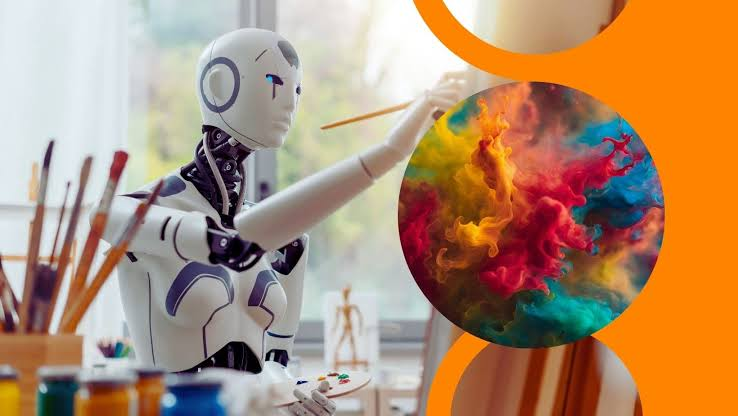
Artificial Intelligence (AI) has become an increasingly important part of the digital art landscape. AI-powered tools can assist artists by generating ideas, improving workflows, and automating repetitive tasks.
While some people view AI as a challenge to traditional creativity, many artists see it as a tool that enhances human imagination rather than replacing it.
The combination of human creativity and intelligent technology is creating new artistic possibilities that continue to shape the future of digital expression.
Challenges Facing Digital Artists
Despite its advantages, digital art presents several challenges.
Increased Competition
The accessibility of digital tools means more people are entering the field, making it increasingly competitive.
Copyright Concerns
Protecting original artwork online can be difficult due to unauthorized sharing and reproduction.
Rapid Technological Changes
Artists must continuously learn new software and technologies to remain competitive.
Screen Dependency
Extended periods of digital work may contribute to eye strain and other health-related concerns.
Overcoming these challenges requires continuous learning, adaptability, and professional development.
The Future of Digital Creativity
The future of digital art appears incredibly promising. Emerging technologies such as virtual reality, augmented reality, blockchain, and artificial intelligence are creating entirely new creative opportunities.
Artists will likely continue exploring immersive experiences that blend technology and storytelling. Digital art may become even more interactive, allowing audiences to engage with creative works in innovative ways.
As technology advances, the distinction between traditional and digital creativity may become less significant, with artists combining both approaches to achieve unique results.
Conclusion
Digital art is transforming modern creativity by expanding artistic possibilities, increasing accessibility, and connecting creators with global audiences. Through advanced tools, social media platforms, and emerging technologies, artists can experiment, collaborate, and share their work more effectively than ever before.
While challenges remain, the benefits of digital art continue to outweigh the obstacles. As technology evolves, digital creativity will play an increasingly important role in shaping the future of artistic expression, making it one of the most exciting developments in the modern creative world.